+237 222 232 164 info@cradec.org Lun-Ven : 8H30-16H30

Cameroon, Africa in miniature, rich in natural resources, has a poverty rate of nearly 37.5% (2014, World Bank). In 2017, indirect taxes alone accounted for more than 70% of the revenue collected by the Directorate General of Taxes. 40.9% for VAT, 10.4% excise duties, 6.8% for the TSPP 5.7% registration and stamp duties and also 3.5% for the TSR. So 30% is generated by direct tax. This means that Cameroonians, who are mostly poor, pay taxes disproportionately according to their ability.
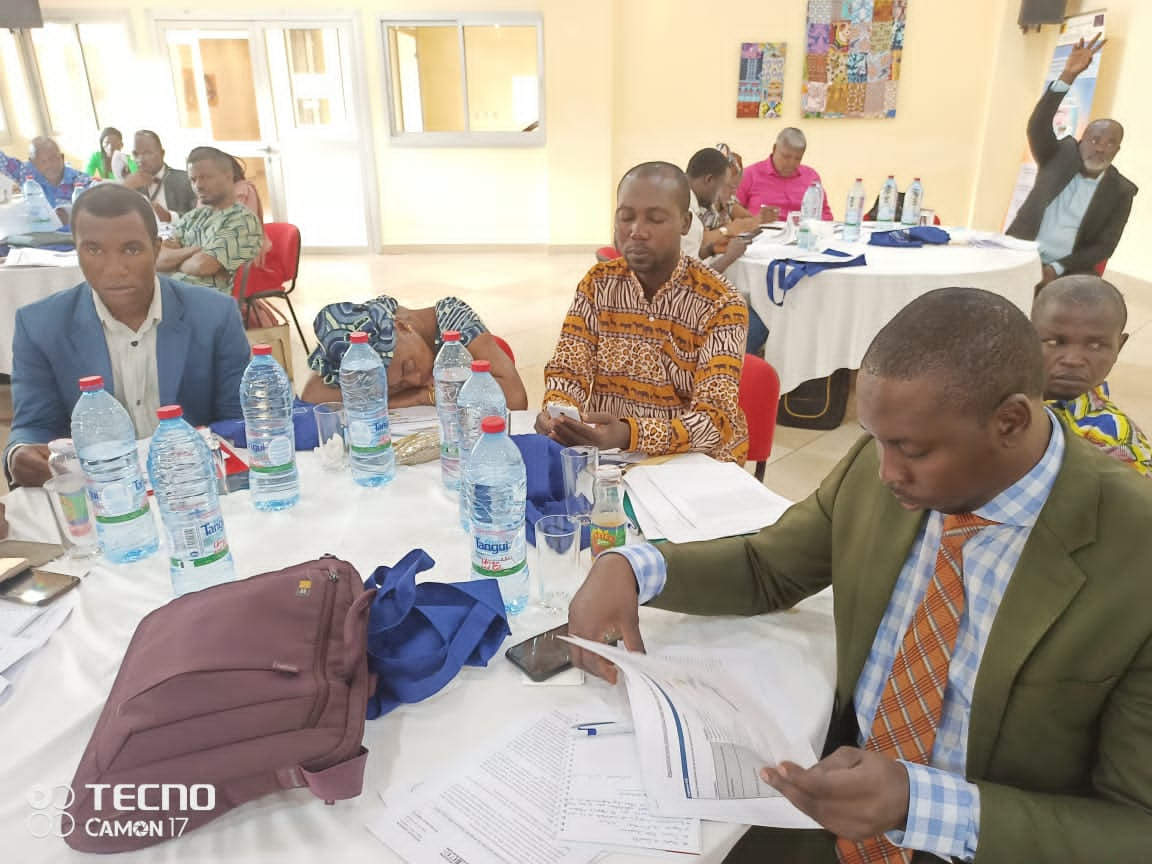
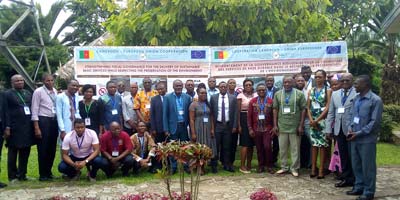
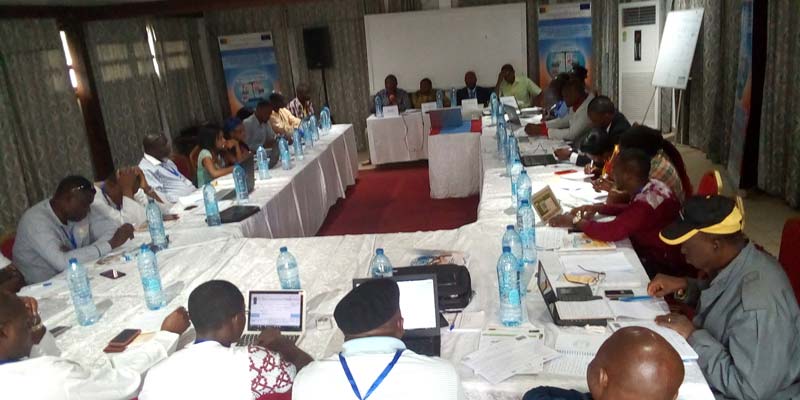
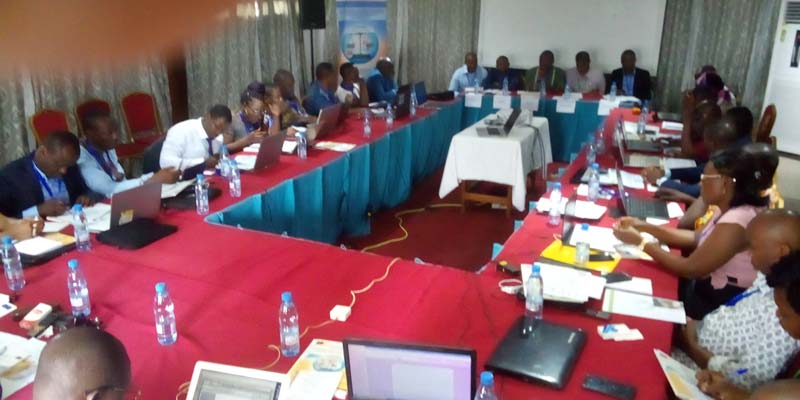
Civil society organizations members and non members of the EITI Committee Cameroon met again in person this 05 May 2022 in Yaoundé. It was within the framework of a consultation workshop on the theme: For a satisfactory EITI 2023 validation of Cameroon, organized by CRADEC, as part of the implementation of the action "Strengthening Tax Justice in Cameroon", supported by Tax Justice Network-Africa and Norwegian Agency for Development Cooperation (TJNA/NORAD). This meeting followed the first session of the EITI Committee held on March 30. The main objective of the workshop was to advocate for the inclusion of national priorities and beyond in the 2022-2023 work plan for a more effective and satisfactory 3rd validation of Cameroon in 2023.

The debate on media involvement in more responsible public debt management and sustainable development has so far been framed in positive terms and, in doing so, its contradictory dynamics are ignored.African countries must develop institutional mechanisms to foster and nurture a spirit and practice of partnerships and constructive, mutual engagement between the civil society and Medias.

To encourage civil society to clarify the objectives of its participation in the EITI and to ensure that it is well represented and has the necessary capacities to be able to participate freely, actively, effectively and fully in the process; CRADEC opened an opportunity for reflection on Tuesday March 29, 2022 in Yaoundé to the CSO-ITIE Platform extended to other groups, to review the dynamics of monitoring the EITI process within and outside the EITI Committee in order to ensure that the issues and national priorities on compliance with the Standard constitute points of convergence of attention and resources of the various groups working on the governance of the extractive sector in Cameroon.

CRADEC contributed to the AFRODAD Media Initiative (AFROMEDI) II training from March 21 to 23, 2022 in Yaoundé, organized by the African Forum on Debt and Development (AFRODAD) in collaboration with Africa Development Interchange Network (ADIN) . The objective of this intervention was to demonstrate to participants from the media and CSOs the link between tax justice, illicit financial flows and debt, and the consequences on the financing of the African economy. The activity ended with the launch of the continental network MEDIA DEBT NETWORK AFRICA/Cameroon, a network to which CRADEC has joined.

In Cameroon, as everywhere else, community participation in public management in the Decentralized Territorial Collectivities (CTD) in Cameroon depends on the inclusion of all sections of society in the management of public affairs, in accordance with the principle of "Letting nobody aside", a central transformative promise of the 2030 Agenda for Sustainable Development and its Sustainable Development Goals.

Page 4 of 6